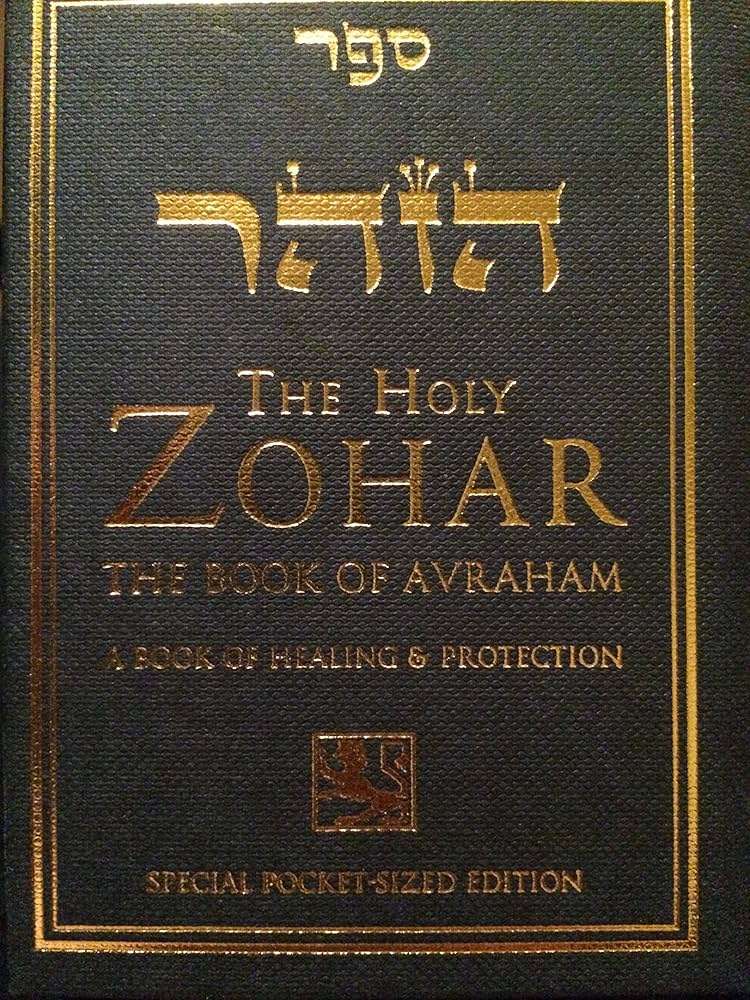
The Zohar Book is a central text in Jewish mysticism. It holds deep spiritual significance and offers insights into the nature of God, the universe, and the soul.
The Zohar is more than just a book; it’s a journey into ancient wisdom. Written in Aramaic, it explores mystical themes and provides a unique perspective on the Torah. The Zohar’s teachings guide readers on a path of spiritual discovery and understanding.
This text is not only revered by scholars but also by those seeking deeper spiritual connections. Its complex ideas can be challenging, yet it remains a cornerstone of Kabbalistic study. In this post, we’ll explore what the Zohar is and why it continues to captivate minds today.
Introduction To The Zohar
The Zohar is a mystical text central to Kabbalah. It explores deep spiritual ideas. Written in Aramaic, it is considered complex and profound. Scholars believe it was composed in the late 13th century. The Zohar offers insights into the nature of God, creation, and the soul.
It is not just a book but a collection of writings. These writings are attributed to Rabbi Shimon bar Yochai. The Zohar is studied by those seeking to understand Jewish mysticism. It holds a special place in the hearts of many believers.
Origins And History
The origins of the Zohar are shrouded in mystery. It is said to have been revealed by divine inspiration. Rabbi Shimon bar Yochai, a sage from the second century, is linked to its creation. He supposedly wrote it during a time of hiding from Roman persecution.
The Zohar first emerged in Spain in the 13th century. It was published by a Spanish-Jewish writer named Moses de Leon. He claimed to have discovered ancient manuscripts. These manuscripts were attributed to Rabbi Shimon bar Yochai.
Over time, the Zohar gained popularity among mystics. It became a cornerstone of Kabbalistic teachings. Its rich and enigmatic language captivated many scholars and spiritual seekers.
Significance In Jewish Mysticism
The Zohar is vital in Jewish mysticism. It is considered the most important work in Kabbalah. It offers a mystical interpretation of the Torah. It explains the deeper meanings behind the scriptures.
Its teachings delve into the nature of the divine. It explores the concept of the Sephirot, which are the ten attributes of God. The Zohar also discusses the soul’s journey and its connection to the divine.
Studying the Zohar is seen as a path to spiritual enlightenment. It is believed to unlock hidden truths. Many mystics spend years deciphering its complex texts. Its wisdom is passed down through generations.
Structure Of The Zohar
The Zohar is a foundational text in Jewish mystical thought, known as Kabbalah. Its structure is complex and nuanced, resembling a tapestry woven with layers of spiritual teachings, mystical interpretations, and esoteric wisdom. Understanding the structure of the Zohar can help readers navigate its profound content more effectively. Let’s delve into the main sections, language, and style of this intriguing book.
Main Sections
The Zohar is not a single, continuous narrative. Instead, it is a collection of several books, each with its own focus and themes. These books are often divided into three main sections:
- The Zohar Proper: This is the core of the Zohar, comprising mystical commentary on the Torah (the first five books of the Hebrew Bible).
- The Zohar Hadash: Meaning “New Zohar,” this section includes additional texts and discourses not found in the original Zohar manuscripts.
- Tiqqunim: These are mystical, interpretative expansions on the themes found in the Zohar Proper. They delve deeper into the spiritual meanings of the texts.
Together, these sections form a comprehensive guide to the mystical and esoteric teachings of Kabbalah.
Language And Style
The Zohar is written in a unique blend of Aramaic and Hebrew. Aramaic was the lingua franca of the Jewish people during the time of the Zohar’s composition. The language choice adds a layer of mystery and depth to the text. Here are some key features of the language and style:
- Aramaic: The main body of the Zohar is in Aramaic, which can be challenging for modern readers. However, this ancient language enriches the mystical aura of the text.
- Hebrew: Some parts are in Hebrew, especially quotations from the Bible. The interplay between the two languages creates a rhythmic and poetic flow.
- Symbolism and Allegory: The Zohar uses rich symbolism and allegory to convey its teachings. For instance, the Torah is often referred to as a bride, symbolizing its intimate and sacred nature.
The style of the Zohar is deeply poetic and often dialogical, presenting discussions among mystical sages. This narrative approach makes the text engaging, though it can sometimes feel like deciphering a complex puzzle. But isn’t that part of the fun?
In summary, the structure of the Zohar, with its distinct sections and unique linguistic style, offers a profound and intricate journey into the heart of Jewish mysticism. Whether you’re a seasoned scholar or a curious beginner, the Zohar promises to illuminate the path of spiritual discovery.
Key Themes In The Zohar
The Zohar is a foundational work in the literature of Jewish mystical thought known as Kabbalah. It provides deep insights into the nature of God, the universe, and the soul. Below are some key themes explored in the Zohar.
Creation And The Universe
The Zohar discusses the creation of the universe in great detail. It describes a complex, layered process that unfolds over time. According to the Zohar, the universe was created through ten divine emanations, called the Sefirot. These emanations represent different attributes of God, like wisdom, understanding, and kindness.
The Zohar also speaks about the interconnectedness of all things. It teaches that every part of the universe is linked through a spiritual network. This network is sustained by divine energy. Everything in the universe has a purpose and a place within this grand design.
The Nature Of God
The Zohar explores the nature of God with profound depth. It teaches that God is both immanent and transcendent. God is present in every part of creation but also exists beyond it. This duality is a key concept in understanding the divine.
Another important theme is the idea of God’s infinite light. This light is the source of all life and existence. According to the Zohar, humans can connect with this divine light through prayer, meditation, and good deeds.
The Zohar also introduces the concept of the Ein Sof. The Ein Sof is the boundless, infinite aspect of God. It is beyond human comprehension. This idea encourages humility and awe in the face of the divine mystery.

Credit: www.kabbalah-judaica.com
Mystical Concepts
The Zohar is a foundational work in the literature of Jewish mystical thought known as Kabbalah. It delves into the mysteries of the universe. It explores the nature of God, the origin of the soul, and the structure of the cosmos. This section will highlight some key mystical concepts from the Zohar.
Sefirot And Divine Emanations
The Zohar introduces the concept of Sefirot. These are ten divine emanations or attributes through which God interacts with the world. Each Sefirah represents a different aspect of God’s nature. Together, they form a dynamic system that channels divine energy into the universe. The Sefirot are often depicted as a tree, with each branch symbolizing a different attribute.
Soul And Reincarnation
The Zohar also discusses the soul. It teaches that the soul is eternal and goes through cycles of reincarnation. This belief is rooted in the idea that the soul must achieve spiritual perfection. Through multiple lifetimes, the soul works to correct past mistakes and grow closer to God. This process helps explain human suffering and the quest for spiritual growth.
Interpretations And Commentaries
When it comes to the Zohar, one of the most significant aspects that draws attention is its numerous interpretations and commentaries. Over the centuries, scholars and spiritual leaders have poured over its pages, offering their insights and explanations. This has not only enriched the understanding of this mystical text but also kept its teachings alive and relevant. Let’s delve deeper into the world of Zohar interpretations and commentaries through the lens of notable scholars and modern perspectives.
Notable Scholars
Several scholars have dedicated their lives to interpreting the Zohar. Their efforts have provided invaluable insights into its mystical teachings. One such scholar is Moses de León, who is traditionally credited with writing the Zohar in the 13th century. His work laid the foundation for many future interpretations.
- Isaac Luria (the Ari): Known as the father of Lurianic Kabbalah, his interpretations added new dimensions to the Zohar. His teachings emphasized the inner workings of the divine and the process of creation.
- Moses Cordovero: A contemporary of Luria, Cordovero’s commentaries are more systematic and philosophical. He sought to reconcile different strands of Kabbalistic thought.
- Rabbi Yehuda Ashlag: Also known as the Baal HaSulam, his modern commentaries on the Zohar aimed to make its teachings accessible to a broader audience. He believed the Zohar could guide humanity to a higher state of consciousness.
These scholars, among others, have contributed to the rich tapestry of Zoharic interpretation, each bringing their unique perspective and depth of understanding.
Modern Perspectives
In the modern era, the Zohar continues to inspire and intrigue. Contemporary scholars and spiritual leaders have brought fresh perspectives to its teachings, making it relevant for today’s seekers.
One notable modern commentator is Rabbi Adin Steinsaltz. Known for his translations and explanations of Jewish texts, he has worked to demystify the Zohar, providing clarity to its often cryptic passages.
Another modern perspective comes from the field of psychology. Some psychologists have explored the Zohar’s teachings on the human soul and consciousness, finding parallels with modern psychological theories. This interdisciplinary approach has opened new avenues for understanding the text.
Moreover, with the advent of the internet, online platforms and courses have emerged, making the Zohar’s teachings more accessible than ever before. Interactive discussions, video lectures, and online communities allow for a diverse exchange of ideas, helping to keep the study of the Zohar dynamic and evolving.
In conclusion, the interpretations and commentaries on the Zohar have evolved over time, reflecting the changing needs and understandings of each era. From the foundational work of early scholars to the innovative approaches of modern commentators, the Zohar remains a living text, continually revealing new layers of meaning.

Credit: www.amazon.com
The Zohar In Practice
The Zohar, a cornerstone of Kabbalistic wisdom, offers deep insights. These insights are not just theoretical. They have practical applications in daily life. By understanding and applying its teachings, one can achieve spiritual growth. Below, we explore how the Zohar can be used in practice.
Meditative Techniques
Meditation is a key aspect of using the Zohar. Practitioners often meditate on its texts. This helps them connect with higher spiritual realms. These meditative techniques calm the mind and open the heart. They allow deeper understanding and personal transformation.
One common method involves focusing on specific passages. This focus encourages a state of mindfulness. It also fosters a sense of inner peace. Regular practice can lead to profound spiritual experiences.
Spiritual Applications
The teachings of the Zohar can be applied to everyday situations. They offer guidance on how to live a meaningful life. The spiritual applications are vast and versatile. They cover aspects like relationships, personal growth, and ethical behavior.
For example, the Zohar emphasizes compassion and kindness. Practicing these virtues can improve social interactions. It can also lead to a more fulfilling life. The Zohar provides a roadmap for spiritual development and moral integrity.
In essence, the Zohar’s teachings are a tool for spiritual enrichment. They help individuals navigate life’s challenges with wisdom and grace.
Criticism And Controversies
The Zohar Book, a cornerstone of Kabbalistic literature, has stirred much debate. Its profound teachings have invited both admiration and skepticism. This section delves into the critical discussions surrounding the Zohar.
Historical Debates
Since its emergence, the Zohar has been a topic of intense scrutiny. Many scholars have questioned its authorship. The traditional view credits Rabbi Shimon bar Yochai from the 2nd century. Yet, some believe it was written by Moses de León in the 13th century. These debates focus on language and historical context. The Zohar’s Aramaic style has raised eyebrows, as it mixes different dialects. This inconsistency has led to doubts about a single author.
Other critics highlight the historical anachronisms in the text. They argue these inconsistencies point to a medieval origin. The debates have only intensified over time. The Zohar’s esoteric content has also been a point of contention. Its mystical nature makes it hard to interpret. Some rabbis embraced it, while others dismissed it. These differing views have sparked long-standing disputes within the Jewish community.
Modern Critiques
In recent years, the Zohar has faced new criticisms. Modern scholars apply rigorous academic methods to its study. Many criticize its lack of historical accuracy. They argue that the Zohar reflects medieval thought rather than ancient wisdom.
Another critique targets its complex symbolism. Critics say the Zohar’s language is too obscure. They believe this makes it inaccessible to many readers. Some also question the Zohar’s spiritual claims. They challenge its portrayal of divine mysteries. These modern critiques continue to fuel debates. Yet, the Zohar remains a cherished text for many Kabbalists. It continues to inspire and provoke thought. Its teachings endure despite the controversies.
The Zohar And Kabbalah
The Zohar, a central text in Kabbalah, holds deep mystical teachings. It offers insights into the nature of God, the universe, and the soul. Many people find its lessons both profound and enlightening. The connection between the Zohar and Kabbalah is strong and significant.
Relationship With Kabbalistic Traditions
The Zohar forms the backbone of Kabbalistic traditions. It provides a spiritual framework. This text interprets the Torah in a unique way. Through its teachings, one can understand deeper meanings in sacred texts. The Zohar’s mystical insights guide many Kabbalists today.
It explains the nature of divine light. This light flows through the universe. Kabbalists see this as a key principle. It helps explain the link between the divine and the material world. The Zohar offers a path to spiritual growth. It encourages a deeper connection with the divine.
Influence On Jewish Thought
The Zohar’s influence on Jewish thought is immense. It has shaped many beliefs. This text offers new perspectives on traditional teachings. Jewish scholars have studied it for centuries. Its impact is evident in many religious practices.
The Zohar introduces mystical concepts. These ideas enrich Jewish spirituality. They offer a deeper understanding of God’s nature. Many Jewish thinkers draw inspiration from its teachings. The text continues to inspire and guide Jewish communities worldwide.
The Zohar In Popular Culture
The Zohar, a foundational work of Jewish mysticism, often finds itself mentioned in unexpected places. From literature to movies, its influence spreads far and wide. But how exactly does this ancient text fit into modern pop culture? Let’s explore!
Literature And Media
In the world of books and films, the Zohar makes quite a few appearances. Whether it’s a novel exploring mystical themes or a movie hinting at hidden knowledge, the Zohar often plays a role.
- Books: Authors like Dan Brown have woven elements of the Zohar into their stories. In “The Da Vinci Code,” for instance, the Zohar is referenced as a source of hidden wisdom.
- Movies: Films such as “Pi” and “A Serious Man” feature the Zohar, reflecting its enigmatic nature and the quest for deeper understanding.
These references not only add depth to the narratives but also spark curiosity about the Zohar itself. Who wouldn’t want to know more about a book that promises mystical insights?
Cultural Impact
The Zohar’s reach extends beyond just books and movies; it has subtly influenced various aspects of culture.
- Art: Many artists draw inspiration from the Zohar’s themes of light and darkness, creating works that echo its mystical essence.
- Music: Musicians, too, have found inspiration in the Zohar. Bands like Tool have incorporated its concepts into their lyrics, adding layers of meaning to their songs.
- Philosophy: The Zohar has also influenced modern philosophical thought, with its ideas about the nature of reality and the universe sparking discussions in academic circles.
Its impact is subtle yet profound, weaving through the fabric of our cultural consciousness in ways we might not even realize.
So, next time you come across a reference to the Zohar, whether in a book, movie, or even a song, you’ll have a better understanding of its significance. And who knows, maybe you’ll be inspired to dive into its mystical depths yourself!

Credit: www.sup.org
Future Of Zohar Studies
The Zohar, one of the most significant works of Kabbalah, continues to captivate scholars and spiritual seekers alike. As we look towards the future, the study of the Zohar promises to evolve in exciting and innovative ways. This ongoing evolution will ensure that the ancient wisdom contained within its pages remains relevant in our modern world. So, what does the future hold for Zohar studies? Let’s dive into the ongoing research, and preservation and digitization efforts that are shaping the path forward.
Ongoing Research
One of the most fascinating aspects of Zohar studies is the relentless pursuit of new interpretations and insights. Scholars from diverse backgrounds are continually exploring the text to uncover hidden meanings and contemporary applications. This ongoing research often involves:
- Comparative Analysis: Comparing the Zohar with other mystical texts to uncover common themes and unique perspectives.
- Interdisciplinary Approaches: Integrating insights from fields such as psychology, philosophy, and linguistics to enrich our understanding of the Zohar.
- Collaborative Projects: Researchers from different parts of the world working together to share findings and develop new interpretations.
Through these efforts, the Zohar remains a dynamic and living document, continually offering new wisdom to those who seek it.
Preservation And Digitization
As with any ancient text, preserving the Zohar is crucial for future generations. Modern technology has opened up new avenues for preservation and accessibility. Here are some of the key initiatives in this area:
- Digitization: By converting the Zohar into digital formats, we can ensure that the text is preserved accurately and made accessible to a global audience.
- Online Databases: Creating comprehensive online databases where scholars and enthusiasts can access various versions and translations of the Zohar.
- Interactive Platforms: Developing interactive platforms that allow users to engage with the text in new and meaningful ways, such as through annotations and discussion forums.
These efforts not only safeguard the Zohar but also democratize access, allowing more people to delve into its profound teachings.
In conclusion, the future of Zohar studies is bright and full of potential. With ongoing research and modern preservation techniques, the Zohar will continue to inspire and enlighten for generations to come. So, why not explore the Zohar yourself? Who knows what insights you might uncover!
Frequently Asked Questions
Is The Zohar A Bible?
The Zohar is not a Bible. It is a foundational work of Jewish mysticism and Kabbalah.
Who Wrote The Book Of Zohar?
Rabbi Shimon bar Yochai wrote the Zohar. He composed it in the second century CE. The Zohar is a foundational work of Jewish mysticism.
What Is The Main Idea Of The Zohar?
The main idea of the Zohar is to explore the mystical aspects of Judaism. It delves into the nature of God, the universe, and the soul. This foundational text of Kabbalah offers deep spiritual insights and guides individuals on their path to understanding divine mysteries.
What Is The Religion Of The Zohar?
The Zohar is a central text of Kabbalah, which is a mystical branch of Judaism. It explores deep spiritual concepts.
What Is The Zohar Book About?
The Zohar is a mystical Jewish text. It explores Kabbalah and spiritual ideas.
Conclusion
The Zohar Book is a profound spiritual text. It offers deep insights into Jewish mysticism. Many find its teachings enlightening and transformative. Reading it can enhance spiritual understanding. It’s important for those seeking deeper connections. The Zohar’s wisdom remains relevant today.
It invites readers to explore and reflect. Begin your journey with the Zohar. Discover its timeless lessons.