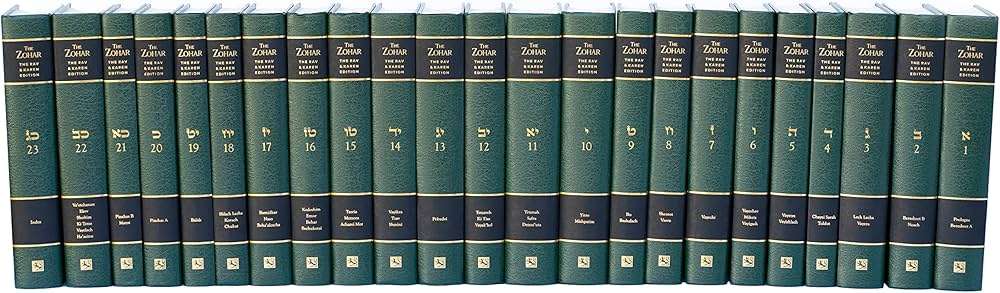
The Zohar is a central text in Kabbalah. It is known for its mystical insights.
The Zohar, often called “The Book of Splendor,” holds great significance in Jewish mysticism. It is a collection of books that delve into deep spiritual teachings and secrets of the Torah. Written in Aramaic, it offers profound wisdom and has been a source of study for centuries.
The number of books in the Zohar may seem confusing at first. This blog post will clarify how many books comprise this sacred text, providing both historical context and an understanding of its structure. Join us as we explore the fascinating world of the Zohar.
Origins Of The Zohar
The Zohar is a foundational work in the mystical tradition of Kabbalah. It is rich in allegories, metaphors, and stories. Many believe it holds deep spiritual wisdom. Understanding its origins can provide insight into its significance.
Historical Background
The Zohar emerged in the 13th century in Spain. It was written in Aramaic, a language used in ancient Jewish texts. The text was attributed to Rabbi Shimon bar Yochai, a sage from the 2nd century. Rabbi Shimon and his disciples supposedly wrote the Zohar while hiding from Roman persecution.
Historians debate the true authorship of the Zohar. Some argue it was written by Moses de Leon, a Spanish Jewish mystic. He claimed to have discovered ancient manuscripts by Rabbi Shimon. Regardless of its true origins, the Zohar has had a lasting impact.
Key Figures
Rabbi Shimon bar Yochai is central to the Zohar’s narrative. He was a revered scholar and mystic. His teachings form the core of the text. His disciples also play important roles, contributing to the dialogues and stories.
Moses de Leon is another key figure. He was instrumental in bringing the Zohar to light. His dedication to Kabbalistic studies helped spread its teachings. His work ensured the Zohar’s preservation and transmission.
The Zohar’s impact goes beyond these individuals. It has influenced countless scholars and mystics. Its teachings continue to inspire and guide those seeking spiritual enlightenment.

Credit: www.amazon.sg
Structure Of The Zohar
The Zohar is one of the most important works in Kabbalah, a mystical branch of Judaism. It is a complex and profound text, rich with spiritual insights and esoteric wisdom. But how many books are in the Zohar, and how is it structured? Let’s explore the structure of the Zohar to better understand its composition.
Main Sections
The Zohar is divided into several main sections, each with a unique focus and style. The primary sections include:
- Zohar Hadash: This means “New Zohar” and includes additional writings not found in the main text.
- Raya Mehemna: Also known as “The Faithful Shepherd,” this section discusses various commandments and their mystical meanings.
- Idra Rabba: Translated as “The Greater Assembly,” this part is a detailed discussion on the nature of God and creation.
- Idra Zuta: Meaning “The Lesser Assembly,” it is a more concise version of the Idra Rabba.
Subsections And Volumes
The Zohar is further broken down into multiple subsections and volumes. Here is a closer look:
| Volume | Description |
|---|---|
| Volume 1 | Begins with the creation and covers the first part of the Torah. |
| Volume 2 | Continues with the Torah and includes the mystical interpretations of the stories. |
| Volume 3 | Focuses on the Song of Songs and various other mystical writings. |
Each volume contains multiple subsections that delve into different aspects of the Torah and Kabbalistic teachings. The Zohar is traditionally printed in five volumes, but some editions may vary.
Understanding the structure of the Zohar can be challenging, but it is essential for those who wish to study its depths. Whether you are a seasoned scholar or a curious beginner, knowing how the Zohar is organized will help you navigate this mystical masterpiece.
Books Within The Zohar
The Zohar is a foundational work in the literature of Jewish mystical thought, known as Kabbalah. It is a compilation of mystical commentaries on the Torah. Understanding how many books are in the Zohar can be complex. The Zohar is not a single book but a collection of several texts. Each part has its own unique content and significance.
Core Texts
The core texts of the Zohar include the main commentary on the Torah. This main section is often referred to as the “Midrash HaNe’elam” or “Book of Concealment.” It covers the first five books of the Hebrew Bible. Another important text is the “Raya Mehemna,” which means “Faithful Shepherd.” It focuses on the deeper meanings behind the commandments. The “Idra Rabba” and “Idra Zuta” are gatherings of sages discussing profound mystical insights.
Additional Writings
Aside from the core texts, the Zohar includes additional writings. These writings provide further explanations and insights. They often focus on specific themes or aspects of the Torah. One such text is the “Sifra deTzni’uta,” or “Book of Humility.” It explores the hidden aspects of the universe. Another significant part is the “Zohar Chadash,” or “New Zohar.” It contains additional commentaries and teachings not found in the main body of the Zohar.
Mystical Themes
The Zohar, one of the most significant works of Kabbalah, is not just a book, but a collection of mystical writings that delve deep into the nature of God, the universe, and the soul. Each book within the Zohar explores different mystical themes, offering profound insights and spiritual guidance. Let’s dive into some of these themes and uncover the hidden wisdom they contain.
Kabbalistic Concepts
At the heart of the Zohar are Kabbalistic concepts that attempt to explain the divine structure of the universe. These concepts include the Sefirot – ten attributes through which God interacts with the world. Think of them as channels of divine energy, each with its unique characteristics and purpose.
For instance, Chokhmah (wisdom) and Binah (understanding) work together to create knowledge. This interplay of divine attributes is a recurring theme in the Zohar, shedding light on how everything in the universe is interconnected.
Spiritual Symbolism
The Zohar is also rich in spiritual symbolism. Every story, character, and event is imbued with deeper meanings. For example, the journey of the soul is often described using metaphors of light and darkness. This symbolism helps to convey complex spiritual truths in an accessible way.
Imagine reading about the “Tree of Life” – not just a physical tree, but a symbol of divine wisdom and the path to spiritual enlightenment. The Zohar uses such symbols to guide readers on their spiritual journey, encouraging them to look beyond the surface and seek the hidden truths.
In summary, the Zohar’s mystical themes provide a rich tapestry of spiritual wisdom, combining Kabbalistic concepts and profound symbolism to offer a deeper understanding of the universe and our place within it. Whether you are a seasoned scholar or a curious beginner, the Zohar invites you to explore its mysteries and unlock the secrets of the divine.
Interpretations Of The Zohar
The Zohar is a foundational work in the literature of Jewish mystical thought known as Kabbalah. Understanding its depth requires various interpretations. Scholars and mystics have spent centuries studying its texts. These interpretations have evolved over time, offering different perspectives on its teachings.
Rabbinical Commentary
Rabbinical commentary on the Zohar has been extensive. Rabbis have provided insights into its mystical and spiritual meanings. They often link the Zohar to traditional Jewish teachings. This helps integrate its mystical aspects with established religious principles.
Many rabbinical interpretations focus on the Zohar’s allegorical stories. These stories are seen as revealing hidden truths about the universe and God. Rabbis also explore the ethical lessons found in the Zohar. They find guidance for living a moral and pious life.
Modern Perspectives
Modern scholars approach the Zohar from various angles. Some view it as a historical document. They analyze the cultural and social context of its creation. Others see it as a source of psychological insights. They apply its teachings to modern life challenges.
There is also a growing interest in the Zohar among non-Jews. They find its mystical elements appealing. Many seek a deeper spiritual connection. This has led to a broader interpretation of its texts. Modern readers often look for universal themes in the Zohar. They find relevance in its teachings for today’s world.
Influence On Kabbalah
The Zohar is a key text in Jewish mysticism. It’s not just a book, but a series of books that deeply influence Kabbalah. The teachings in the Zohar shape mystical thought and practice. Many students of Kabbalah turn to the Zohar for spiritual insight and wisdom.
Impact On Jewish Mysticism
The Zohar has a profound impact on Jewish mysticism. Its texts explore the nature of God, the universe, and the soul. The Zohar’s mystical interpretations of the Torah provide a deeper understanding of Jewish teachings. These interpretations offer spiritual guidance to those seeking a closer connection to the divine.
Many Kabbalists study the Zohar to gain hidden knowledge. The books explain complex ideas through allegory and symbolism. This makes the Zohar a fascinating read for those interested in mystical traditions.
Cross-cultural Connections
The Zohar’s influence extends beyond Jewish culture. It has inspired mystical traditions in other religions. Scholars find parallels between the Zohar and mystical texts in Christianity and Islam. These connections show a shared quest for spiritual understanding across cultures.
Some modern spiritual movements also draw from the Zohar. Its teachings on the divine and the universe resonate with people from various backgrounds. The Zohar continues to be a source of inspiration for those exploring spirituality.
Translations And Editions
The Zohar, a central work in Jewish mysticism, has intrigued readers for centuries. Its complex and mystical texts have led to numerous translations and editions. Each aims to make the Zohar accessible to a wider audience. Understanding the different translations and editions can help in comprehending this profound work.
Major Translations
One of the most famous translations of the Zohar is by Rabbi Yehuda Ashlag. His work, also known as the Sulam, is revered for its clarity and depth. Another significant translation is by Daniel C. Matt. His multi-volume edition offers detailed commentary and historical context. Both translations strive to retain the Zohar’s original essence while making it understandable.
Notable Editions
Among the notable editions, the Pritzker Edition stands out. This edition, translated by Daniel C. Matt, is highly respected. It includes a comprehensive analysis of the text. Another important edition is the Kabbalah Centre’s Zohar. This version is popular for its accessibility and user-friendly format. These editions contribute to the ongoing study and appreciation of the Zohar.
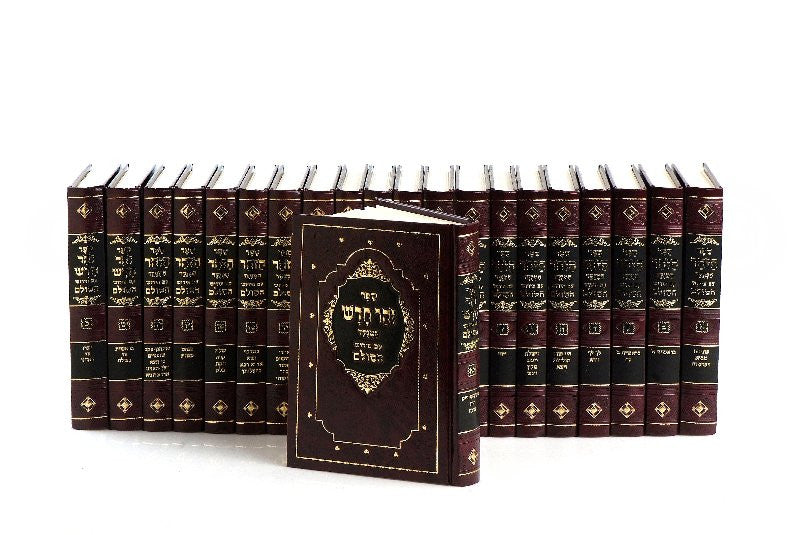
Credit: www.kabbalah-judaica.com
Controversies And Debates
The Zohar, a foundational work in Jewish mysticism, contains many books. This has led to numerous controversies and debates. Scholars and enthusiasts often find themselves divided on various issues related to its authenticity and origins. These debates are crucial in understanding the depth and significance of the Zohar.
Authenticity Issues
Questions about the Zohar’s authorship spark intense discussions. Some believe Rabbi Shimon bar Yochai wrote it in the 2nd century. Others argue that Moses de León, a 13th-century Spanish mystic, authored it. This discrepancy raises doubts about the text’s authenticity. The debate continues with fervor in academic and religious circles.
Scholarly Disputes
Scholars often disagree on the number of books within the Zohar. Some argue it comprises 24 volumes. Others assert it has 22 books. These disputes impact the interpretation and study of the text. Different versions and translations add to the complexity. Each faction presents compelling evidence to support their claims.
Studying The Zohar
The Zohar is a foundational work in Jewish mysticism. It holds profound spiritual teachings. Many people find the Zohar complex but rewarding to study. Understanding its depth requires dedication. Let’s explore how to study the Zohar effectively.
Methods Of Study
Studying the Zohar can be done in various ways. Some prefer a traditional approach. This involves reading the text in its original Aramaic. Others use translations to better grasp the content. Group study is also popular. It allows for discussion and shared insights. Personal meditation on the text is another method. It helps connect deeply with the teachings.
Resources For Learners
Several resources can aid in studying the Zohar. Translations are available in many languages. Commentary books provide explanations and context. Online courses offer structured learning. They often include video lectures and discussion forums. Study groups can be found both in-person and online. They provide support and community. Libraries and bookstores have many Zohar-related materials. They include guides and annotated versions.
Legacy Of The Zohar
The Zohar stands as one of the most significant texts in Jewish mysticism. It is a foundational work of Kabbalah, offering profound insights into the nature of God, the universe, and the soul. The Zohar’s teachings have influenced countless thinkers, scholars, and spiritual seekers throughout the centuries. Its legacy continues to shape spiritual and philosophical thought around the world.
Enduring Relevance
The Zohar’s teachings remain relevant even in today’s modern world. Its insights into the human condition resonate with many. People from various walks of life find wisdom in its pages. The Zohar speaks to universal themes of love, justice, and the quest for meaning. It bridges the gap between ancient wisdom and contemporary thought. This timeless text continues to inspire and guide those who seek deeper understanding.
Future Research
Scholars continue to explore the depths of the Zohar. New interpretations and studies emerge regularly. These efforts aim to uncover hidden layers of meaning within the text. Future research may reveal even more about its origins and impact. The Zohar’s influence on other spiritual traditions is also a growing area of interest. Researchers strive to connect the Zohar’s teachings to broader historical and cultural contexts. This ongoing exploration keeps the legacy of the Zohar alive and relevant.
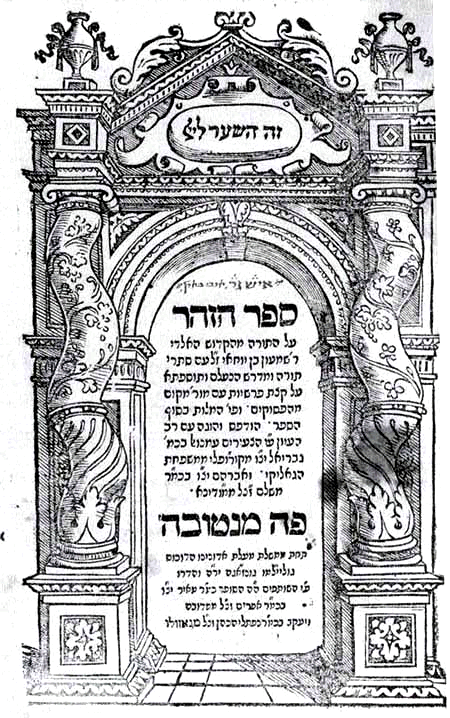
Credit: en.wikipedia.org
Frequently Asked Questions
Who Actually Wrote The Zohar?
Rabbi Shimon bar Yochai is traditionally credited with writing the Zohar. Some scholars believe it was written by Moses de Leon.
Is The Zohar One Book?
The Zohar is not just one book. It is a collection of mystical writings in Kabbalah, spanning multiple volumes.
What Is Written In The Zohar?
The Zohar contains mystical interpretations of the Torah. It explores themes like spirituality, creation, and the nature of God.
How Long Is The Zohar?
The Zohar spans around 23 volumes. It contains mystical interpretations of the Torah, written in Aramaic.
How Many Volumes Are In The Zohar?
The Zohar consists of five main volumes. Each volume explores deep spiritual concepts.
Conclusion
The Zohar’s volumes offer profound wisdom and insights. Its rich content fascinates many readers. Each book delves into deep spiritual teachings. Exploring the Zohar can expand your understanding of mysticism. It’s a journey worth taking for curious minds. Start with one book, then explore more.
Dive into the Zohar’s teachings and see the world differently. Happy reading!