Every small business needs a reliable way to track finances. An invoice book is a simple, yet effective tool to manage transactions.
In the bustling world of small businesses, keeping track of finances is vital. An invoice book offers a straightforward solution. It helps record sales, track payments, and manage financial data. This tool is essential for maintaining accurate records, which is crucial for tax purposes and financial planning.
Using an invoice book can also enhance professionalism by providing clients with clear, organized billing. For small businesses, especially those just starting, it can be a cost-effective choice. Understanding its benefits can help streamline operations and support financial stability. This post explores why an invoice book might be the right choice for your small business.

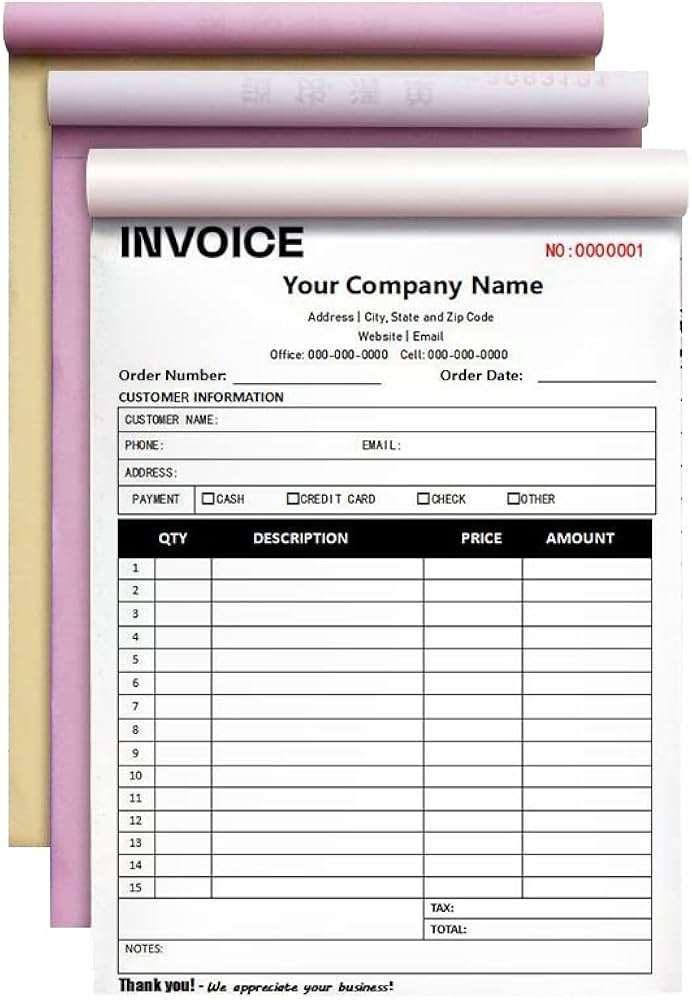
Credit: www.amazon.com
Importance Of Invoice Books
Small businesses rely on invoice books to track sales and manage finances efficiently. These books simplify billing, making record-keeping accurate and straightforward. With clear documentation, small business owners maintain control over transactions and ensure timely payments.
In the hustle and bustle of running a small business, managing finances efficiently can be a game-changer. One often overlooked tool that can significantly impact your business’s financial health is the humble invoice book. While digital solutions are on the rise, traditional invoice books remain a reliable option for many small businesses. They offer a tangible way to keep track of transactions, ensuring both you and your clients are on the same page. Let’s explore why invoice books are indispensable for streamlining billing and enhancing financial management.
Streamlining Billing Processes
Using an invoice book can simplify your billing process. Imagine being able to quickly jot down a transaction as it happens, without worrying about technical issues or software glitches. This immediate recording helps prevent errors and omissions. Invoice books also provide an easy way to maintain a consistent format. Clients appreciate clear and familiar layouts, making it easier for them to process payments. Have you ever received an invoice that left you scratching your head? Consistency in your invoicing can eliminate confusion and speed up payment timelines.
Enhancing Financial Management
A well-maintained invoice book can significantly improve your financial management. Keeping a physical record allows you to easily cross-check transactions and ensure nothing falls through the cracks. It acts as a backup that you can access anytime, even during power outages or internet downtime. Moreover, invoice books can help you track your business’s cash flow. By reviewing your invoices regularly, you can identify patterns in your income and expenses. This insight helps you make informed decisions about budgeting and forecasting. Have you thought about how understanding these patterns could impact your business growth? Invoice books also help with tax preparation. With all transactions recorded neatly, you can save time and avoid last-minute scrambles when tax season arrives. Isn’t it reassuring to know that you’re prepared and organized for audits or financial reviews? Incorporating invoice books into your business routine can lead to more efficient billing and better financial oversight. Are you ready to leverage this tool to enhance your business operations?
Key Features To Look For
Choosing the right invoice book can simplify your business tasks. Small businesses need tools that are efficient and easy to use. The right features in an invoice book can save time and reduce errors. This section highlights key features that make a difference.
User-friendly Design
A user-friendly design makes invoicing simple and quick. The layout should be clear and intuitive. This helps avoid confusion and errors. Easy navigation ensures you find what you need fast. A good design reduces the learning curve for new users. This is crucial for small businesses with limited time.
Customizable Templates
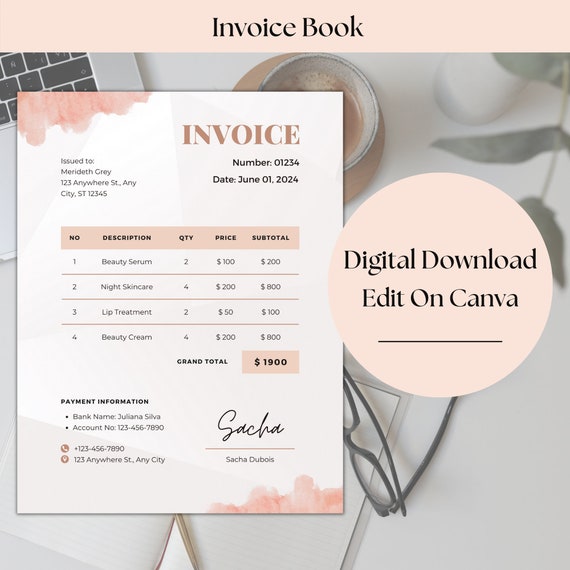
Customizable templates offer flexibility in creating invoices. They allow you to add your company logo. This creates a professional look. Templates should let you adjust fields and information. This ensures the invoice meets specific business needs. Customization helps maintain brand consistency across documents.
Benefits For Small Businesses
Small businesses benefit greatly from using invoice books. They simplify tracking sales and expenses. Easy record-keeping helps manage finances efficiently. Reduces mistakes in billing, ensuring accuracy. Provides a professional look to transactions, boosting customer trust.
When you’re running a small business, every minute counts. That’s why understanding the benefits of using an invoice book can be a game-changer. Streamlining your invoicing process isn’t just about saving time; it’s about improving your business’s efficiency and ensuring a smoother cash flow. Let’s break down how an invoice book can help your small business thrive.
Time-saving Solutions
Imagine spending less time on paperwork and more on growing your business. With an invoice book, you can achieve just that. Pre-formatted templates mean you don’t waste time creating invoices from scratch. This ease of use allows you to focus on tasks that truly matter, like serving customers or planning your next big move. Automating calculations within your invoice book can prevent errors. This not only speeds up the process but also ensures accuracy, building trust with your clients.
Improved Cash Flow
Efficient invoicing directly impacts your cash flow. How? It’s simple: quicker invoicing means faster payments. When invoices are sent out promptly, clients are more likely to pay on time. This consistency can significantly bolster your financial stability. You can also use the invoice book to set clear payment terms. This transparency helps avoid misunderstandings and ensures you receive payments when expected. Have you ever thought about the role invoicing plays in managing your cash flow? By optimizing this process, you can avoid those dreaded cash crunches. Taking control of your invoicing doesn’t have to be complicated. The right invoice book can simplify tasks, boost your productivity, and keep your finances in check. Isn’t it time you made the switch?

Credit: carbonlessbook.en.made-in-china.com
Choosing The Right Invoice Book
Choosing the right invoice book for your small business can be a game changer. It’s not just about jotting down numbers; it’s about streamlining your operations and ensuring accuracy. The right tool can save time, reduce errors, and enhance your professionalism. But how do you make the best choice for your business?
Assessing Business Needs
Start by understanding what your business requires. Are you dealing with a high volume of invoices, or is your operation relatively small? A simple invoice book might suffice if you’re handling fewer transactions. However, if your business is growing, consider options that offer scalability.
Think about the types of invoices you need. Do you require specific fields for detailed billing, or is a straightforward format adequate? Consider the complexity of your transactions. Reflect on what information is crucial for your records.
Your industry might also influence your choice. A freelance graphic designer might need a different format than a small bakery. Tailor your invoice book to fit the unique demands of your field.
Evaluating Software Options
In today’s digital age, software can offer significant advantages over traditional paper-based invoice books. Look at software options that integrate with your existing systems. Many offer features like automatic reminders, easy tracking, and even mobile access.
Consider the ease of use. You want a solution that is straightforward and intuitive. Complex software can be more trouble than it’s worth. Choose something that your team can master quickly.
Think about customer support. Good software options should offer reliable support in case you hit a snag. It’s about ensuring you have the help you need when you need it. This backup can be invaluable.
Have you thought about data security? Digital solutions should prioritize protecting your business information. Look for software with strong security measures in place.
What will work best for your small business? Is it a simple paper invoice book that you can carry around, or a digital solution that offers flexibility and efficiency? Weigh your options carefully and choose what aligns best with your goals. The right choice can transform how you manage your business.
Digital Vs. Paper Invoice Books
Small businesses weigh digital and paper invoice books for record keeping. Digital options offer quick access and easy organization. Paper books provide a tangible record that some find reassuring. Both methods have their own advantages depending on business needs.
In the digital age, small businesses face a choice. Digital or paper invoice books? Both have their benefits and drawbacks. The decision can affect efficiency, organization, and cost. Understanding each option helps businesses make informed choices.
Pros And Cons Of Digital
Digital invoice books offer convenience. They are accessible anytime, anywhere. No need for physical storage. This saves space. They also allow easy edits and updates. Mistakes are quickly fixed. Digital invoices integrate with accounting software. This reduces manual data entry. It saves time and minimizes errors. They also enhance security with encryption. Your data stays safe from prying eyes. But there are downsides. Digital systems need internet access. Without it, you might face delays. Technology can also fail or face glitches. This can disrupt operations. There’s also a learning curve. Some may find digital tools challenging at first.
Advantages Of Traditional Paper
Paper invoice books are tangible. They provide a sense of security. Many find comfort in holding a physical document. They don’t rely on technology. No internet needed. This makes them reliable in areas with poor connectivity. Paper invoices are easy to review and share. No digital skills required. Yet, paper invoices need physical storage. This can clutter space. They are prone to damage. Fire, water, or pests can destroy them. Paper invoices also require manual entry into systems. This increases the risk of errors. It can be time-consuming too. Choosing between digital and paper depends on your business needs. Consider storage, convenience, and security. Each option offers unique benefits.
Implementing An Invoice System
Implementing an invoice system can simplify your business operations. It ensures timely payments and accurate records. Small businesses often juggle many tasks. An efficient invoice system can reduce stress. It helps track expenses and income easily. A structured approach to invoicing boosts professionalism.
Without a proper system, you risk errors and missed payments. Implementing a system helps prevent these issues. It also improves cash flow. A reliable invoice book is essential for organized finances.
Training Your Team
Your team must understand the new invoice system. Training is key to success. Provide clear instructions and demonstrations. Use simple language and visual aids. Employees should practice with sample invoices. Offer feedback and support during the learning process. Regular training sessions reinforce knowledge and skills. A well-trained team can handle invoicing efficiently.
Integrating With Existing Tools
Integrating the invoice system with current tools increases efficiency. Ensure compatibility with accounting software. This reduces manual data entry and errors. Sync the system with email for easy invoice delivery. Use cloud storage for secure and accessible records. This integration saves time and resources.
Check if your tools support integration features. Some systems offer API connections. These connections automate invoicing tasks. Choose tools that work well together. This creates a seamless workflow for your business.
Common Mistakes To Avoid
Avoid using vague descriptions on invoices. Ensure clear itemization to prevent confusion. Double-check calculations to maintain accuracy and trust.
When managing an invoice book for your small business, it’s crucial to keep things running smoothly. Yet, many business owners make common mistakes that can lead to unnecessary stress and errors. Being aware of these pitfalls can save you time, money, and headaches.
Ignoring Backup Systems
Imagine losing all your invoice data overnight. Scary, right? Yet, ignoring backup systems is a common mistake that can lead to such nightmares. You might think your data is safe, but are you prepared if your computer crashes or a file gets corrupted? Regularly backing up your invoice data is essential. Consider using cloud-based services or external hard drives. This way, you ensure that even if the unexpected happens, your business remains unaffected.
Overcomplicating The Process
Keeping your invoicing process simple is key. Many business owners fall into the trap of overcomplicating things with excessive details and unnecessary steps. This not only wastes time but also increases the chances of errors. Think about it: do you really need multiple fields for each line item? Streamlining your invoice process can make it easier for you and your clients. Use templates and set clear, concise terms that can be quickly understood. Have you ever received an invoice and felt overwhelmed by the clutter? That’s the feeling you want to avoid giving your clients. Clear and straightforward invoices lead to quicker payments and happier clients. By focusing on these areas, you can avoid common mistakes and ensure your invoicing process is efficient and stress-free. What steps will you take today to improve your invoicing system?
Future Trends In Invoicing
Small businesses are embracing digital invoice books to streamline their billing processes. Simplified templates and automation ensure quick, accurate transactions. This modern approach helps save time and reduce errors, enhancing efficiency in financial management.
The world of invoicing is changing rapidly. Small businesses must adapt to these changes to stay competitive. Embracing new trends can save time and resources. It can also enhance customer satisfaction. Let’s explore some key trends shaping the future of invoicing.
Automation And Ai
Automation is transforming invoicing processes. It reduces manual errors significantly. Many small businesses use software that automates invoice creation. This software also tracks payments efficiently. AI tools further enhance these systems. They predict payment patterns and manage late payments. As AI evolves, invoicing becomes more intelligent. This technology helps businesses focus on growth.
Eco-friendly Practices
Sustainable practices are gaining importance in invoicing. More businesses are adopting paperless invoicing systems. Digital invoices reduce paper usage and waste. They are also quicker and more reliable. Many companies offer incentives for choosing digital invoices. This trend aligns with global efforts to reduce carbon footprints. Small businesses benefit by saving on printing and mailing costs. Eco-friendly invoicing is the future for many companies.
Credit: www.etsy.com
Frequently Asked Questions
How Can I Create An Invoice For My Small Business?
Start by using an invoicing template or software. Include your business name, address, and contact details. Add client information, invoice number, issue date, and due date. List products or services provided, quantities, rates, and total amounts. Ensure payment methods and terms are clear.
Save and send the invoice to your client.
What Is The Difference Between A Receipt Book And An Invoice Book?
A receipt book records payments received, confirming a transaction. An invoice book requests payment for goods or services provided.
What Is The Difference Between A Bill Book And An Invoice Book?
A bill book records transactions for internal tracking, while an invoice book issues bills to clients for payment. Invoices detail the amount due, payment terms, and services provided. Businesses use bill books for accounting purposes and invoice books for formal billing to clients.
Both are essential for financial management.
How To Do An Invoice Book?
Create an invoice book by printing templates with necessary fields like date, item, price, and total. Organize them in a binder or notebook. Ensure each invoice is numbered for easy tracking. Include your business details and payment terms for clarity and professionalism.
Conclusion
An invoice book simplifies billing for small businesses. Easy to use. Keeps records organized. You save time with clear entries. No need for fancy tools. Just write and keep track. Helps avoid mistakes. Gives peace of mind. You focus on growing your business.
Good record keeping builds trust with clients. Shows professionalism. Your business runs smoothly. An invoice book is cost-effective. Ideal for startups and small ventures. Makes billing straightforward. A must-have tool for any business owner. Stay organized. Stay efficient. Keep your business on track.