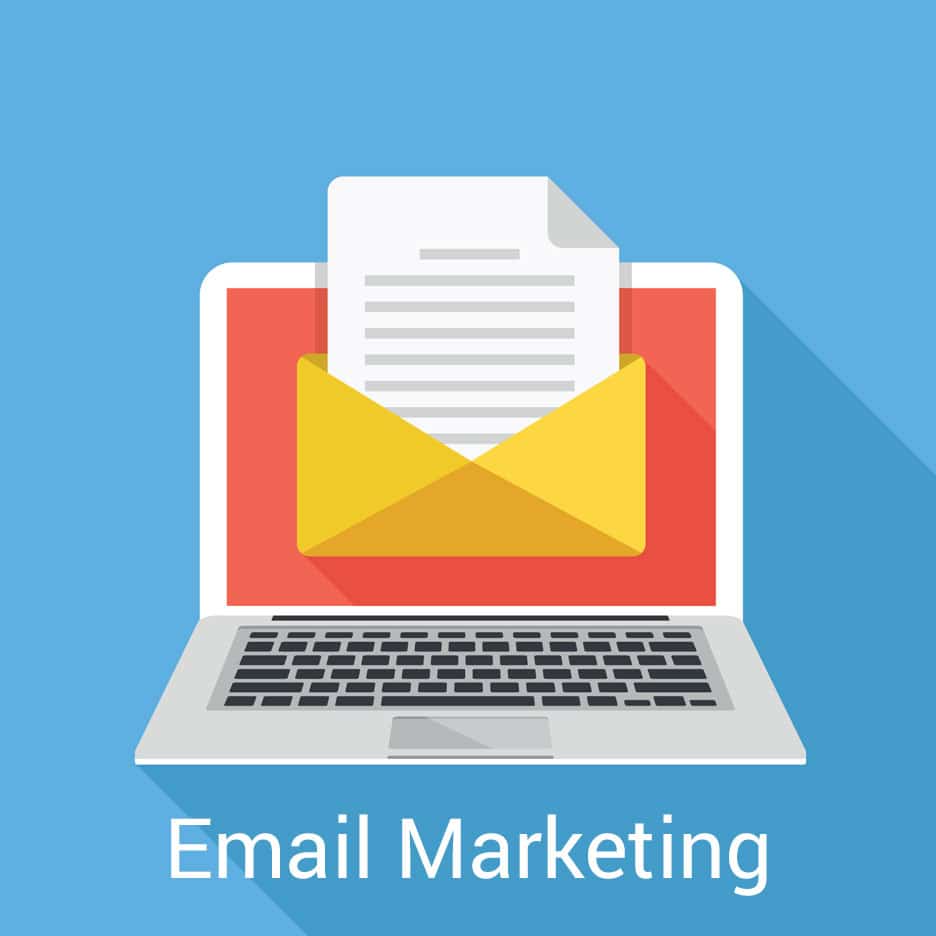
Email marketing is a powerful tool for businesses. It helps engage customers and drive sales effectively.
Email marketing involves sending targeted messages to a group of recipients via email. This form of marketing is cost-effective and provides a high return on investment. Businesses can use email marketing to share news, promote products, and nurture relationships with customers.
By segmenting email lists, companies can send personalized content that resonates with specific audiences. Email marketing also offers measurable results, allowing businesses to track open rates, click-through rates, and conversions. This data helps in refining strategies for better outcomes. With its ability to reach a large audience quickly, email marketing remains a crucial component of digital marketing strategies.
Introduction To Email Marketing
Email marketing is a powerful tool in digital marketing. It involves sending emails to prospects and customers. Emails can promote products, share news, or offer deals. This method helps businesses connect with their audience directly. Let’s dive deeper into the basics.
What Is Email Marketing?
Email marketing means sending emails to a group of people. These people have shown interest in your business. They might have signed up for newsletters or promotions. The goal is to inform, engage, and convert these prospects.
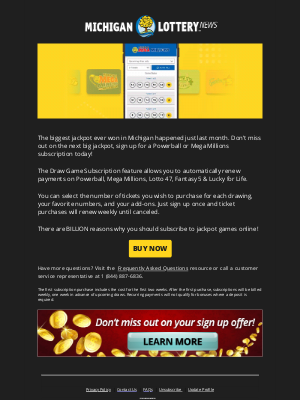
Email marketing uses various types of emails. These include newsletters, promotional emails, and transactional emails. Each type serves a different purpose but aims for the same goal. That goal is to build a strong relationship with the audience.
Importance In Digital Marketing
Email marketing plays a crucial role in digital marketing. It helps businesses reach a large audience at a low cost. It also provides a high return on investment (ROI). According to studies, every $1 spent on email marketing returns $42.
Here are some key reasons why email marketing is important:
- Direct Communication: Emails land directly in the recipient’s inbox.
- Personalization: Emails can be tailored to individual preferences.
- Measurable Results: Track open rates, click rates, and conversions easily.
- Cost-Effective: Lower costs compared to other marketing channels.
- Customer Engagement: Keeps your audience informed and engaged.
Here’s a quick comparison of Email Marketing and other channels:
| Marketing Channel | Cost | ROI |
|---|---|---|
| Email Marketing | Low | High |
| Social Media | Medium | Medium |
| PPC Advertising | High | Medium |
Email marketing is not just about sending emails. It’s about creating a meaningful connection. Businesses can nurture leads and drive sales through effective email strategies.
Credit: www.mailcharts.com
Building Your Email List
Building your email list is crucial for email marketing success. A strong list helps you reach more people. It can boost your business. Here are ways to grow your email list and keep it segmented.
Strategies For Growing Your List
Growing your email list needs smart strategies. Here are some effective methods:
- Offer Value: Give something valuable like an e-book or discount.
- Sign-Up Forms: Place forms on your website. Make them easy to find.
- Social Media: Promote your sign-up form on social media channels.
- Pop-Ups: Use pop-ups on your site to capture emails.
These strategies can help you quickly grow your email list.
Importance Of Segmentation
Segmentation means dividing your email list into smaller groups. These groups are based on specific criteria. This is very important for several reasons:
| Reason | Explanation |
|---|---|
| Personalization: | Send targeted messages to each group for better engagement. |
| Higher Open Rates: | People open emails that are relevant to them. |
| Better Metrics: | Track how different segments respond to your emails. |
Segmenting your email list can greatly improve your email marketing results.
Crafting Effective Emails
Email marketing is powerful. Crafting effective emails is an art. It needs attention to detail. Each part of the email matters. From the subject line to the signature, everything counts. Let’s dive into key components of crafting emails that convert.
Subject Lines That Grab Attention
The subject line is the first thing recipients see. It should grab attention immediately. A strong subject line can boost open rates. Here are some tips:
- Keep it short and sweet (50 characters or less).
- Use action words like “Get”, “Try”, “Boost”.
- Include numbers for specificity (e.g., “5 Tips for…”).
- Ask a question to pique curiosity.
- Avoid spammy words like “Free”, “Buy Now”.
Personalization Techniques
Personalization makes your email feel special. It shows you care about your audience. Here are some techniques:
- Use the recipient’s name in the greeting.
- Segment your email list based on preferences.
- Include personalized recommendations.
- Send emails on special occasions like birthdays.
- Reference past interactions or purchases.
A table can summarize personalization tactics effectively:
| Technique | Benefit |
|---|---|
| Use the recipient’s name | Creates a personal connection |
| Segment your email list | Targets relevant content |
| Include personalized recommendations | Increases engagement |
| Send emails on special occasions | Shows you care |
| Reference past interactions | Builds loyalty |
By applying these techniques, your emails will shine. Recipients will feel valued and engaged.
Designing For Engagement
Engagement in email marketing is crucial for success. An engaging design can boost open rates and click-through rates. It makes your emails stand out in crowded inboxes.
Visual Elements In Emails
Visual elements can make emails more appealing. Use images, GIFs, and videos to grab attention. These elements can convey your message quickly. Ensure images are high-quality but not too large. Large images can slow down loading times.
Use colors wisely. They should match your brand. Avoid using too many colors. It can make the email look cluttered. Stick to a color scheme that complements your message.
Use white space effectively. It helps to break up text and makes the email easier to read. White space gives a clean look to your emails.
Mobile-friendly Design
Many people read emails on their phones. Mobile-friendly design is essential. Use a responsive design. It ensures your email looks good on any device.
Font size matters. Small fonts can be hard to read on mobile screens. Use at least 14px for body text and 22px for headers. Ensure buttons and links are easy to tap.
Keep your subject lines short and engaging. Many mobile email apps truncate long subject lines. Aim for 40 characters or fewer.
Test your emails on different devices. Ensure they look good everywhere. Tools like Litmus or Email on Acid can help.
Automating Your Campaigns
Email Marketing Mich offers powerful tools for automating your campaigns. Automation saves time and boosts your marketing efforts. Automated campaigns can nurture leads and convert them into customers. Let’s dive into the benefits and popular tools for automation.
Benefits Of Automation
Automation brings many benefits to your email marketing campaigns:
- Time-saving: Automate repetitive tasks.
- Personalization: Send targeted messages to specific segments.
- Consistency: Maintain regular contact with your audience.
- Improved Metrics: Track and analyze performance easily.
- Scalability: Manage large volumes of emails effortlessly.
Automation ensures your emails reach the right people at the right time. It keeps your audience engaged and boosts conversions.
Popular Automation Tools
There are several popular tools for email marketing automation:
| Tool | Features |
|---|---|
| Mailchimp | Easy to use, segmentation, analytics |
| Constant Contact | Templates, list management, tracking |
| Sendinblue | SMS marketing, automation workflows, CRM |
| ActiveCampaign | Advanced automation, CRM, sales automation |
| HubSpot | All-in-one marketing, automation, analytics |
These tools simplify the automation process. They provide various features to enhance your email marketing efforts.
- Choose the right tool for your business needs.
- Set up automation workflows based on user behavior.
- Segment your audience for personalized emails.
- Analyze the performance of your automated campaigns.
Using these tools, you can create effective automated email campaigns. They help you connect with your audience and grow your business.
Credit: www.ziprecruiter.com
Analyzing Campaign Performance
Email marketing is a powerful tool. To succeed, analyzing campaign performance is crucial. Understanding how your campaign performs helps improve future emails. Here’s how to do it effectively.
Key Metrics To Track
Tracking the right metrics is essential. Focus on the following:
- Open Rate: The percentage of recipients who open your email. A high open rate shows strong subject lines.
- Click-Through Rate (CTR): The percentage of recipients who click on links in your email. It indicates the effectiveness of your content.
- Conversion Rate: The percentage of recipients who complete a desired action. This could be making a purchase or filling out a form.
- Bounce Rate: The percentage of emails that could not be delivered. Aim to keep this low.
- Unsubscribe Rate: The percentage of recipients who opt out of your list. A high rate suggests your content may not be relevant.
A/b Testing Strategies
A/B testing helps improve your email campaigns. Here are some strategies:
- Subject Lines: Test different subject lines to see which gets more opens.
- Email Content: Try different types of content. See which engages your audience more.
- Call-to-Action (CTA): Experiment with different CTAs. Find out which drives more clicks and conversions.
- Sending Times: Test sending your emails at different times. Identify when your audience is most active.
Analyzing these elements will help you refine your strategy. Use the insights to create more effective campaigns.
Compliance And Best Practices
Email marketing is a powerful tool for businesses. Yet, it’s crucial to follow rules. Compliance ensures you respect your subscribers. It also builds trust and avoids legal issues. This section covers key compliance points and best practices.
Understanding Gdpr And Can-spam
The General Data Protection Regulation (GDPR) is a law from the European Union. It protects user data and privacy. If you send emails to EU residents, you must comply with GDPR. Key points include:
- Getting clear consent before sending emails
- Providing an easy way to unsubscribe
- Protecting user data from breaches
The CAN-SPAM Act is a law in the United States. It sets the rules for commercial emails. Important points are:
- Do not use misleading subject lines
- Include your physical address in emails
- Honor opt-out requests promptly
Maintaining List Hygiene
List hygiene means keeping your email list clean and updated. A healthy list boosts engagement and reduces spam complaints. Key practices include:
- Regularly remove inactive subscribers
- Use double opt-in to confirm subscriptions
- Segment your list for targeted campaigns
Maintaining list hygiene also improves your email deliverability. Email providers notice good practices. They are more likely to send your emails to the inbox, not the spam folder.
In summary, following compliance rules and best practices is essential for successful email marketing. It protects your business and builds trust with your audience.
Credit: www.sectorlink.com
Future Trends In Email Marketing
Email marketing is changing fast. New trends are emerging that will shape the future. Businesses must adapt to stay ahead. Below, we explore two key trends.
Ai And Machine Learning
AI and Machine Learning are transforming email marketing. These technologies analyze vast amounts of data. They help create personalized content for each user.
AI can predict user behavior. This means emails are more relevant. Users are more likely to engage with these emails.
Machine Learning helps in segmenting your audience. It identifies patterns that humans might miss. This leads to more effective email campaigns.
Here are some benefits of AI and Machine Learning:
- Automated content creation
- Improved email deliverability
- Enhanced customer segmentation
- Personalized user experiences
Interactive Email Elements
Interactive email elements are making emails more engaging. Users can now interact with emails without leaving their inbox. This increases user engagement and satisfaction.
Common interactive elements include:
- Surveys and polls
- Image carousels
- Accordion menus
- Embedded videos
These elements make emails fun and engaging. They can also provide valuable user feedback.
Interactive emails can boost click-through rates. They make users spend more time on your content. This can lead to higher conversion rates.
Incorporating these trends can give your email marketing a competitive edge. Stay updated with the latest trends to maximize your email marketing success.
Frequently Asked Questions
What Is Email Marketing?
Email marketing is a digital strategy to send targeted messages to an audience. It helps businesses engage with customers, promote products, and boost sales.
How Effective Is Email Marketing?
Email marketing is highly effective. It offers a high ROI, personalized communication, and direct customer engagement. It’s a key tool for businesses.
What Are The Benefits Of Email Marketing?
Email marketing offers many benefits. It is cost-effective, increases brand awareness, and drives customer engagement. It also allows for targeted messaging.
How Do I Start An Email Marketing Campaign?
To start, choose an email marketing platform. Build your email list, create engaging content, and schedule your campaigns. Monitor performance metrics.
Conclusion
Email marketing remains a powerful tool for businesses. It builds customer relationships and drives conversions. By crafting compelling content, segmenting your audience, and using analytics, you can maximize results. Stay consistent, test strategies, and watch your email campaigns thrive. Embrace email marketing to boost engagement and achieve your business goals.