Buying a software business can be a wise investment. It offers opportunities to expand your portfolio.
But it’s not just about financial growth. Owning a software company means tapping into innovation. It provides access to a tech-driven market. This venture promises diverse rewards, including a chance to shape digital futures. In the evolving world of technology, acquiring a software business opens doors to endless possibilities.
This industry thrives on constant change and creativity, driving growth and innovation. With this purchase, you gain access to cutting-edge tools and expert teams, ready to transform ideas into reality. The digital landscape offers unique challenges, but also unmatched potential. As you explore this opportunity, consider the dynamic nature of software. It’s an exciting journey that can redefine your business aspirations.
Introduction To Software Business
Exploring software business opportunities can be exciting. Investing in a software company offers potential growth and innovation. Understand market trends and customer needs to make informed decisions.
### Introduction to Software Business
The software business is an exciting and dynamic field, offering endless opportunities for innovation and growth. Whether you’re looking to buy an existing software company or start from scratch, understanding the fundamentals is crucial. The landscape is continuously evolving, and staying informed can help you make strategic decisions.
Breaking into the software industry might seem daunting, but it’s also incredibly rewarding. Imagine owning a business that creates solutions people use daily. Your software could streamline a company’s operations or bring entertainment to millions. How cool would it be to say your product makes people’s lives easier?
The software market is vast, and understanding its nuances can be your key to success. Let’s dive into the current trends and potential growth areas that might shape your journey in the software business.
Current Market Trends
The software industry is booming, driven by advancements in technology and increasing digital transformation. Cloud computing, artificial intelligence, and cybersecurity are just a few of the sectors seeing rapid growth. As businesses move more operations online, the demand for innovative software solutions skyrockets.
User experience is becoming more critical than ever. Consumers expect seamless, intuitive interfaces and fast performance. Companies that prioritize user-centered design often lead the market. Have you noticed how apps like Zoom and Slack became indispensable during remote work? Their ease of use played a significant role in their popularity.
Subscription-based models are increasingly popular. This trend provides a steady revenue stream and keeps customers engaged with regular updates. Consider how Netflix and Spotify have revolutionized their industries with this approach. Could a similar model benefit your software business?
Potential Growth Areas
Emerging technologies offer exciting growth opportunities. Virtual reality (VR) and augmented reality (AR) are gaining traction in gaming, education, and retail. Imagine creating a software solution that enhances virtual shopping experiences or revolutionizes online learning.
Healthcare software is another promising sector. With the rise of telemedicine and digital health records, there’s a growing need for secure, efficient solutions. Could your software improve patient care or streamline hospital operations?
Sustainability is increasingly important. Businesses are seeking software that helps them reduce carbon footprints and operate more sustainably. Developing green tech solutions could set your business apart in a competitive market.
Consider the potential of niche markets. Small but specific audiences can offer lucrative opportunities. For instance, software tailored for the blind or visually impaired could transform lives and fill a market gap.
As you explore these growth areas, think about what unique value your software can offer. What problems can you solve, and how can your solutions stand out? By focusing on these questions, you can position your business for success in the ever-evolving software industry.

Credit: www.blaze.tech
Identifying Profitable Software Niches
Discover profitable software niches when buying a software business. Focus on emerging tech trends and consumer needs. Research market demand and competition to find hidden opportunities.
Identifying profitable software niches can feel like searching for a hidden treasure. You need to know where to dig and what to look for. The right niche can lead to a successful software business, but the wrong one could waste your resources. So, how do you pinpoint a niche that promises profitability? Let’s break it down.
Emerging Technologies
Staying updated with emerging technologies can give you a competitive edge. Technologies like AI, blockchain, and IoT are not just buzzwords; they are reshaping industries. Consider how AI is revolutionizing customer service with chatbots or how blockchain is enhancing security in financial transactions.
Think about the potential of these technologies in solving real-world problems. Could an IoT application improve home security or energy efficiency? By keeping an eye on these trends, you position yourself to enter markets before they become crowded.
Niche Market Analysis
Understanding your market is crucial to identifying a profitable niche. Who are your potential customers, and what are their pain points? Use tools like Google Trends and social media insights to gauge interest and demand.
Create a list of problems that are not currently addressed by existing software. Are there underserved communities or industries? Perhaps small businesses need affordable accounting software, or freelancers require an efficient project management tool.
Test your ideas by talking to potential users. Ask them about their challenges and what features they would value in a solution. Real-world feedback is invaluable in crafting a product that truly meets market needs.
Ultimately, identifying a profitable software niche involves a blend of research, trend awareness, and customer insight. What steps will you take today to uncover your next big opportunity?
Evaluating Software Business Potential
Assessing a software business’s potential involves examining market demand and financial performance. Identifying growth opportunities is crucial. Understanding customer needs can enhance decision-making.
Evaluating the potential of a software business is crucial before making an investment. You need to understand the intricacies that will determine its future success. This evaluation involves a deep dive into financial health, understanding the competitive landscape, and more. Let’s explore these aspects to help you make informed decisions.
Financial Health Assessment
The financial health of a software business is a primary indicator of its viability. Look at the revenue streams. Are they stable and diversified?
Check the profit margins. A healthy margin suggests efficient operations and pricing strategies.
Examine the cash flow. Positive cash flow means the business can sustain itself and grow without constant external funding.
Competitive Landscape
Understanding the competitive landscape gives you insight into market positioning. Identify key competitors. What are their strengths and weaknesses compared to your target business?
Assess the market share. A growing share indicates strong demand and effective strategy.
Consider the barriers to entry. A business with high barriers might enjoy less competition, giving it room to flourish.
Evaluating these factors will guide you in deciding if the software business is worth buying. What unique value does it offer? Can it outshine its competitors in the long run?

Credit: nakisa.com
Strategic Acquisition Planning
Strategic Acquisition Planning is crucial in buying a software business. It helps align the acquisition with business objectives. A clear strategy guides effective decision-making. This ensures a successful purchase and integration process.
Setting Acquisition Goals
Setting clear acquisition goals is the first step. Define what you want to achieve. Consider revenue targets, market expansion, or technology advancement. Clear goals help focus efforts and resources. They provide a benchmark to measure success.
Due Diligence Process
The due diligence process is vital in acquisition planning. It involves examining the target business thoroughly. Assess financial health, legal compliance, and technological assets. Understand the company’s culture and operational processes. This process minimizes risks and ensures informed decisions.
Financing Software Acquisitions
Purchasing software businesses requires strategic financial planning to ensure a successful acquisition. Explore diverse funding options for acquiring software companies. Effective financing can shape the growth and success of your software business venture.
Acquiring a software business is a strategic move that can drive growth and innovation. Yet, financing such acquisitions often presents a complex challenge. It’s not just about having the funds; it’s about having the right financial strategy. Understanding the various financing options can help you make informed decisions and seize opportunities.
Funding Options
When looking to finance a software acquisition, understanding your funding options is crucial. You can opt for traditional bank loans, which offer predictable repayment terms. However, these may require substantial collateral and a strong credit history.
Venture capital is another avenue, especially if you’re aiming for a startup with high growth potential. While it might dilute your ownership, it brings in expertise and networking opportunities.
Have you considered bootstrapping? Using personal savings or reinvesting profits can keep you in control. This option requires discipline and may limit your initial growth rate, but it’s a viable path for many.
Investment Partnerships
Investment partnerships can provide the financial backing you need while sharing risks. Partnering with industry experts or other businesses can also offer strategic advantages, like market insights and operational support.
Angel investors are a type of investment partner to consider. They not only provide capital but often bring valuable mentorship. Their experience can guide you through the complexities of scaling a software business.
Strategic alliances with existing tech firms can also be beneficial. They might invest in your acquisition in exchange for a stake, creating a win-win situation. What unique value does your software business offer that could attract such partnerships?
Financing your software acquisition is about more than just securing funds. It’s about aligning your financial strategy with your business goals. What approach will you choose to ensure your acquisition leads to sustainable success?
Integration And Transition Strategies
Buying a software business involves smart integration and transition strategies. Seamless integration ensures smooth operations and retains customer trust. Effective transition plans support team adaptation and maintain service quality.
Acquiring a software business is an exciting venture with immense potential for growth. However, it comes with its own set of challenges, particularly when it comes to integration and transition strategies. Successfully merging two businesses requires strategic planning, clear communication, and a keen understanding of both operational and cultural dynamics. Let’s delve into these aspects and explore how you can make the transition smooth and beneficial for both parties involved.
Operational Integration
Operational integration is about ensuring that the systems and processes of the acquired business align with your existing operations. This involves a thorough assessment of the technological infrastructure, workflows, and business processes. Consider creating a detailed plan that identifies key areas for alignment and improvement.
You might face challenges like incompatible systems or differing operational philosophies. Address these issues head-on with open discussions and collaborative problem-solving. Why not involve your team in this process to gain diverse insights and foster a sense of ownership in the transition?
Cultural Alignment
Cultural alignment is equally crucial and often more complex than operational integration. The culture of a business encompasses its values, beliefs, and practices, which can significantly impact employee morale and productivity.
When acquiring a new business, take the time to understand its culture. Engage with the employees, listen to their stories, and observe their work environment. This will help you identify cultural differences and similarities.
Aligning cultures doesn’t mean erasing the identity of the acquired company. Instead, focus on blending the best of both cultures to create a unified and inclusive work environment. Have you considered organizing team-building activities or workshops to bridge cultural gaps and foster mutual respect?
A successful integration strategy not only addresses operational and cultural aspects but also involves continuous monitoring and adaptation. What strategies will you adopt to ensure a seamless transition? Remember, the goal is to create a cohesive entity where everyone feels valued and empowered to contribute to the business’s success.
Maximizing Post-acquisition Growth
Boosting growth after buying a software business involves understanding customer needs and optimizing operations. Streamlining processes and enhancing product features can drive user satisfaction. Engaging with existing clients and exploring new markets will ensure long-term success.
Maximizing Post-Acquisition Growth
Acquiring a software business is just the beginning. To truly thrive, you must focus on maximizing post-acquisition growth. This means scaling operations efficiently and fostering product development effectively. How can you ensure that your newly acquired business not only maintains its current momentum but also accelerates towards greater success? Let’s dive into actionable strategies that will help you achieve these goals.
Scaling Operations
Scaling operations is crucial to handling increased demand and reaching new markets. Start by evaluating your current processes. Are they robust enough to support growth, or do they need refinement?
Consider leveraging technology to automate repetitive tasks. This can free up time for your team to focus on strategic initiatives. I once collaborated with a software company that automated its customer service responses, reducing response time and boosting customer satisfaction.
You should also invest in training your team. As operations scale, they must adapt to new roles and responsibilities. A well-trained team is more adaptable and can drive growth more effectively. Have you considered how you’ll prepare your team for these changes?
Product Development
Product development is the lifeline of any software business. Post-acquisition, it’s essential to breathe new life into your product offerings. Assess your current product lineup. Is there room for improvement or expansion?
Engage with your customers to gather feedback. This can provide valuable insights into what features they value and what they find lacking. In my experience, direct customer feedback led a software company to develop a highly demanded feature, significantly increasing user engagement.
Focus on collaboration. Encourage your development team to brainstorm ideas that can enhance the product. You might be surprised at the innovative solutions they come up with. Are you fostering an environment where creativity thrives?
In maximizing growth after acquiring a software business, these strategies can set you on a path to success. Consider these insights as stepping stones towards achieving your goals. What steps will you take to ensure your newly acquired business flourishes?
Mitigating Risks In Software Investments
Investing in software can be risky. The digital landscape constantly changes. New technologies emerge. Software investments require careful consideration. Understanding potential risks helps in making better decisions. This section focuses on mitigating risks in software investments.
Identifying Potential Pitfalls
Every software investment carries risks. Outdated technology is one. It limits growth and efficiency. Compatibility issues may arise. They disrupt operations. Security vulnerabilities pose threats. They lead to data breaches. High maintenance costs can strain budgets. Identifying these pitfalls is crucial.
Risk Management Techniques
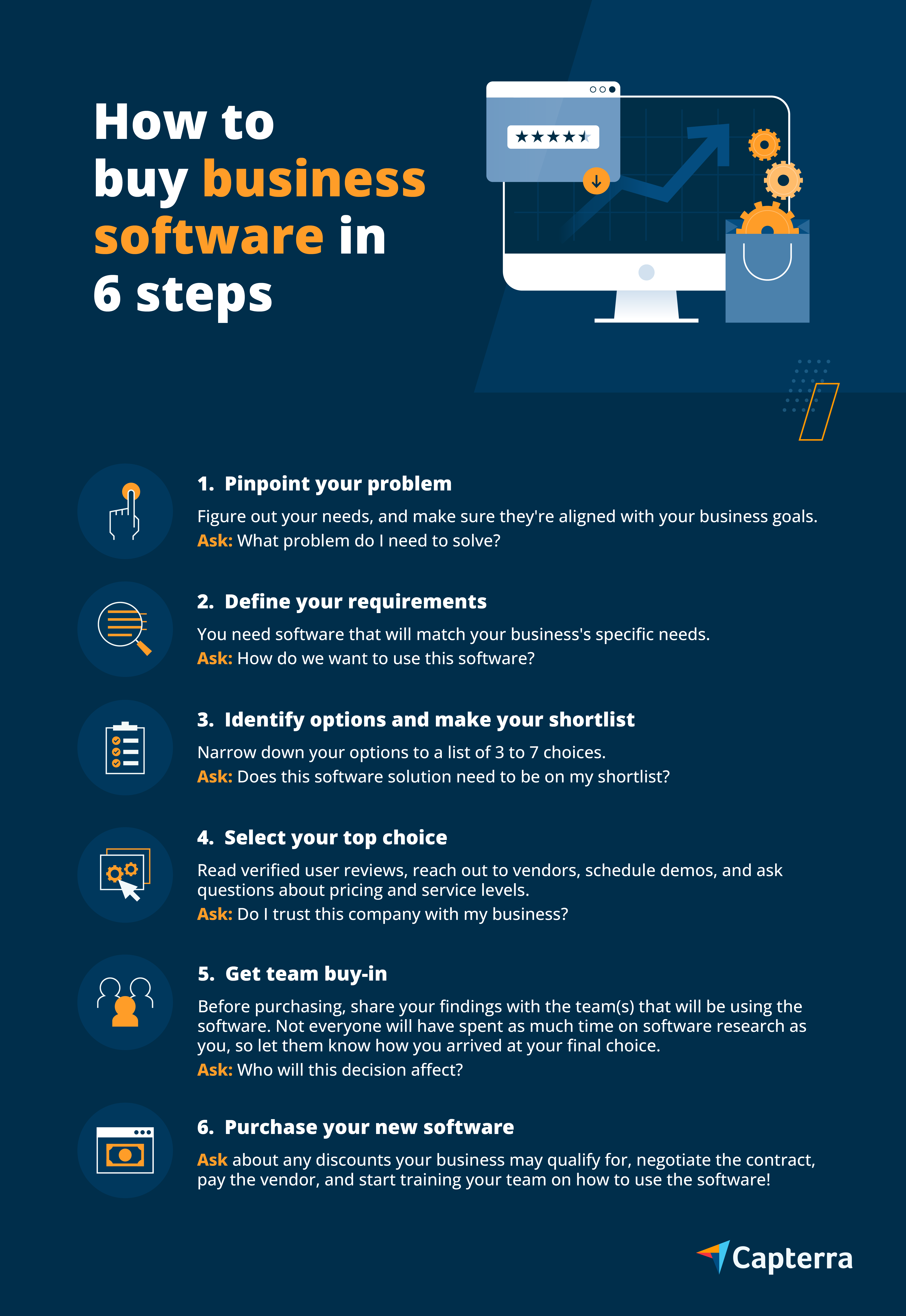
Effective risk management is key. Conduct thorough research before investing. Assess software compatibility with existing systems. Evaluate security features carefully. Consider future technology trends. This ensures longevity of investment. Regular updates maintain security and efficiency. Budget for unexpected costs. This prevents financial strain.
Future Trends In Software Business
The software business landscape is always changing. Understanding future trends can help companies plan better. Innovations in technology drive these changes. Market conditions also shape the future of software businesses. Knowing these trends helps businesses stay competitive.
Technological Innovations
New technologies are transforming the software industry. Artificial intelligence is becoming more important. It improves software capabilities. Machine learning helps software predict user needs. Blockchain technology is also growing. It enhances security and transparency. Quantum computing offers new possibilities. It increases processing power for complex tasks. These innovations create exciting opportunities for software businesses.
Market Evolution
The software market is evolving rapidly. Subscription models are popular now. They provide steady revenue streams. Cloud computing is essential for software delivery. It offers flexibility and scalability. Businesses use data analytics more. It helps them make informed decisions. Mobile applications continue to expand. They reach a broader audience. Globalization impacts software demand. Companies must adapt to different markets. Understanding these market changes is crucial for success.
Credit: www.capterra.com
Frequently Asked Questions
How Much Does It Cost To Buy A Software Company?
The cost to buy a software company varies greatly. Prices typically range from $500,000 to several billion dollars. Factors influencing cost include company size, technology, revenue, and market position. Conduct thorough due diligence and consult experts for accurate valuation.
Is A Software Business Profitable?
A software business can be profitable with innovative solutions and effective marketing. Success depends on market demand and scalability. Offering unique features and excellent customer support enhances profitability. Strong financial management and adapting to trends also play crucial roles in achieving sustained profits.
How Much Does A Software Company Sell For?
A software company’s sale price varies widely, typically ranging from hundreds of thousands to millions of dollars. Factors influencing value include revenue, profitability, market demand, and intellectual property. Engaging a business valuation expert can provide a more precise estimate. Consider industry trends and competitive landscape for accurate pricing insights.
How To Find Software Buyers?
Identify your target market and optimize your website for search engines. Use online platforms like LinkedIn and industry forums. Attend trade shows and networking events. Leverage social media marketing and Google Ads. Collaborate with software resellers and distributors. Collect feedback and refine your approach based on insights.
Conclusion
Exploring the option to buy a software business can offer growth. It presents new opportunities and a chance to expand your expertise. With careful research and planning, you can find the right fit. Evaluate potential risks and benefits thoroughly. A well-informed decision can lead to success.
Seek advice from industry experts and leverage available resources. Remember, patience and due diligence are key. The journey may have challenges, but the rewards can be significant. Investing in the right software business may transform your professional landscape. Consider your goals and take steps towards achieving them.