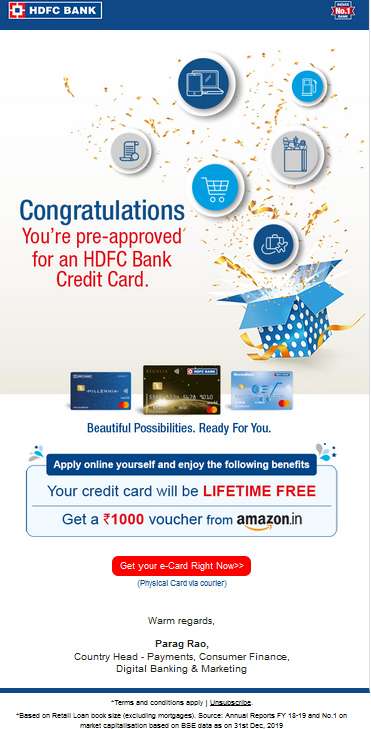
Best bank email designs are user-friendly, visually appealing, and informative. They combine clear text, strong visuals, and a seamless call-to-action.
Banks need to communicate effectively with their clients through email. A well-designed email can build trust and engagement. Key elements include a clean layout, concise content, and relevant images. Personalized greetings and tailored content enhance user experience. Mobile optimization is crucial as many users check emails on their phones.
Clear and actionable CTAs guide customers to take the next step. Consistent branding reinforces the bank’s identity. Regular updates and useful information keep customers informed and engaged. By focusing on these aspects, banks can create effective and attractive email designs.

Credit: www.pinterest.com
Introduction To Bank Email Designs
Emails are crucial for banks. They keep customers informed. A good email design makes a big difference. It affects how customers view the bank. Well-designed emails grab attention. They convey trust and professionalism.
Importance Of Design
Design is crucial in banking emails. It ensures the message is clear. A cluttered email can confuse readers. A clean design guides the reader. It highlights the important information. Good design builds trust with customers.
Well-designed emails are visually appealing. They encourage engagement. Customers are more likely to read and act on them. A good design reflects the bank’s brand. It shows consistency and reliability.
Impact On Engagement
Engaging emails lead to better customer interaction. They have higher open and click rates. A well-designed email can improve customer loyalty. It can also increase the likelihood of customers taking desired actions.
Here are some key elements that impact engagement:
- Visual Appeal: Attractive images and colors draw attention.
- Clear Call-to-Action: Easy-to-find buttons encourage clicks.
- Personalization: Customized content makes emails feel relevant.
- Responsive Design: Emails should look good on all devices.
In summary, design plays a vital role. It impacts how customers perceive and interact with banking emails.
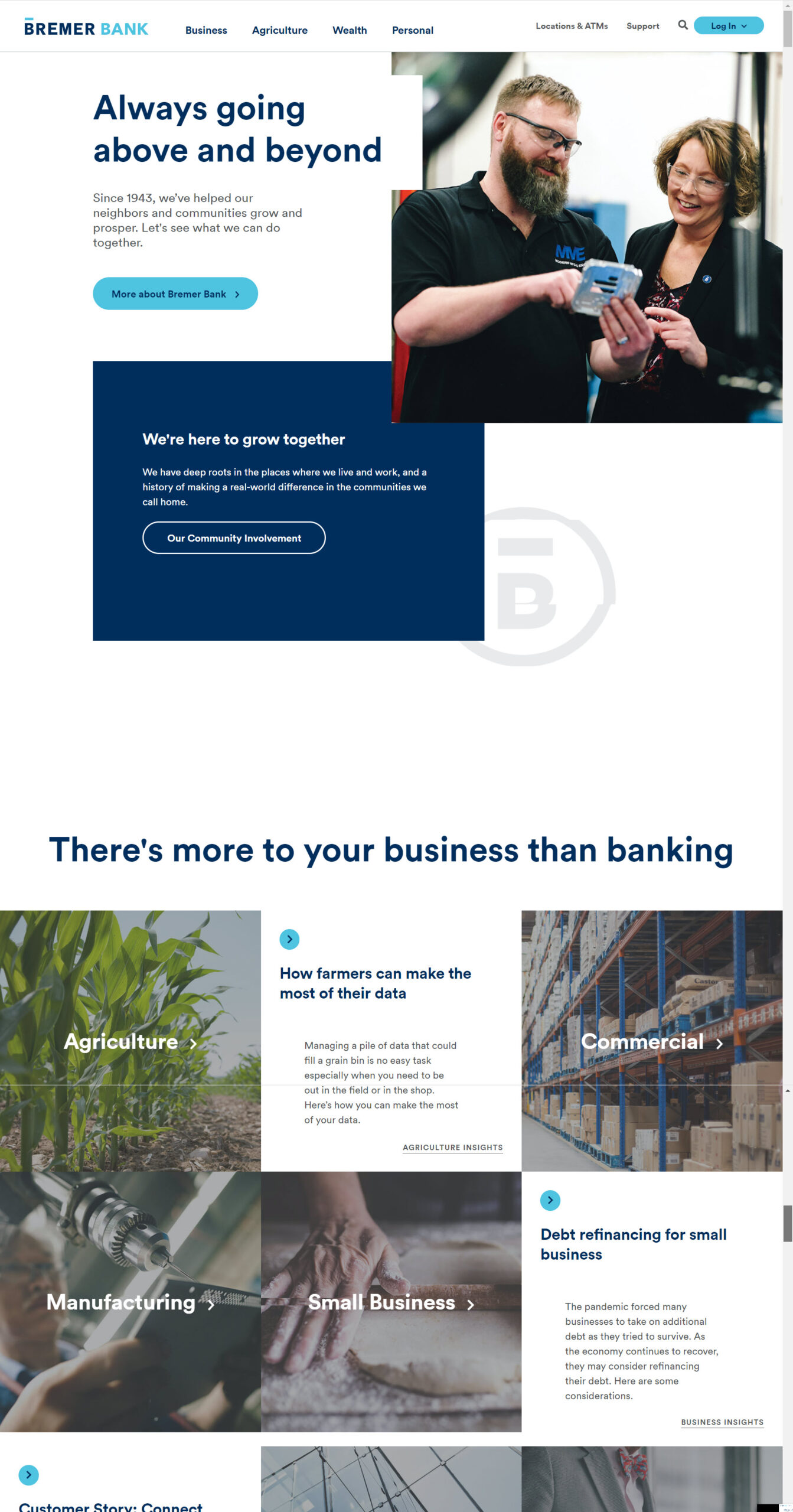
Credit: www.bankbound.com
Elements Of Effective Bank Emails
Effective bank emails need several key elements. These elements help grab attention and build trust. They ensure the message is clear and engaging. Let’s dive into two important elements: clear subject lines and personalized content.
Clear Subject Lines
Subject lines must be concise and direct. They should tell the reader what to expect. A clear subject line increases the email’s open rate. Here are some tips for crafting effective subject lines:
- Keep it Short: Use fewer than 50 characters.
- Be Specific: Clearly state the email’s purpose.
- Use Action Words: Encourage the reader to take action.
- Personalize It: Include the recipient’s name if possible.
Personalized Content
Personalized content makes the reader feel valued. It shows that the bank cares about their individual needs. Personalized emails can include:
| Type of Personalization | Example |
|---|---|
| Recipient’s Name | Dear John, |
| Account Information | Your account balance is $1,200. |
| Relevant Offers | Exclusive loan rates just for you! |
Effective personalized emails often include:
- Greeting: Address the recipient by their name.
- Relevant Information: Share updates or offers that matter to them.
- Call to Action: Encourage a specific action like checking their account.
Visual Appeal
Visual appeal is a crucial aspect of bank email designs. An email’s look can influence a reader’s perception. A good design can boost engagement and trust.
Brand Consistency
Brand consistency ensures recognition and trust. Use the same colors, fonts, and logos as your other brand assets. This creates a cohesive experience for the reader.
| Element | Usage |
|---|---|
| Colors | Match your brand’s primary and secondary colors. |
| Fonts | Use the same fonts as your website and other materials. |
| Logos | Include your logo at the top of the email. |
Use Of Imagery
Images can make an email more engaging. Use high-quality images relevant to your message. This keeps the reader interested and conveys professionalism.
- Use images that reflect your brand’s identity.
- Ensure images are optimized for fast loading.
- Include alt text for accessibility.
Images should not overwhelm the email. Balance text and images for a clean look.
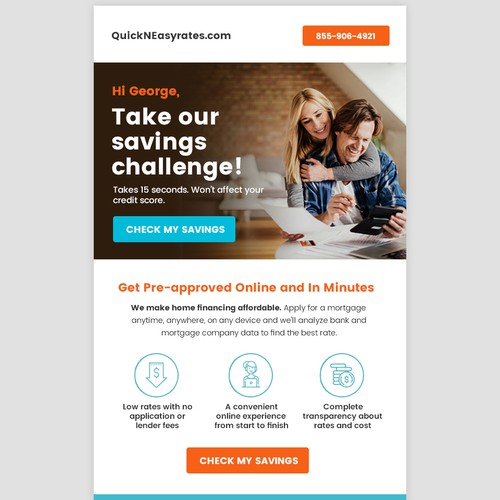
Credit: en.99designs.jp
Content Strategies
Effective content strategies can elevate bank email designs. They engage customers and enhance brand loyalty. Let’s dive into two key content strategies: Educational Content and Promotional Offers.
Educational Content
Educational content builds trust. It provides value and helps customers make informed decisions.
- Financial Tips: Share tips on saving, investing, and budgeting.
- How-to Guides: Create guides on using online banking features.
- Market Insights: Offer insights on market trends and economic news.
Educational emails should be concise and easy to understand. Use clear headings and bullet points. Include visuals like charts and infographics.
Promotional Offers
Promotional offers drive engagement. They encourage customers to take action.
| Type | Description |
|---|---|
| Discounts | Offer discounts on loan interest rates or service fees. |
| Exclusive Deals | Provide exclusive deals for credit card holders. |
| Referral Bonuses | Encourage referrals with cash bonuses or rewards. |
Highlight the benefits clearly. Use bold text to emphasize key points. Include a strong call-to-action (CTA) to prompt immediate response.
Building Trust
Creating the best bank email designs involves more than aesthetics. Building trust is essential. Trust ensures customers feel safe. It encourages them to interact with the bank. Below are key elements to focus on.
Transparency
Transparency is crucial. Banks should clearly state their intentions. Emails should have a straightforward subject line.
Consider these tips:
- Use simple language.
- Clearly state the purpose.
- Include contact details.
Here’s an example:
We have attached your monthly statement. For any questions, contact us at [Contact Details].
Security Indicators
Security indicators build trust. Customers need to know their information is safe. Use recognizable security logos.
Essential elements include:
- SSL certificates
- Verified badges
- Encryption notices
Display these elements prominently. Here’s a useful table:
| Security Element | Description |
|---|---|
| SSL Certificate | Shows the site is secure. |
| Verified Badge | Indicates the sender is verified. |
| Encryption Notice | Informs about data encryption. |
Including these in emails enhances trust.
Responsive Design
Responsive design ensures your bank’s emails look great on any device. This design approach adapts to different screen sizes and resolutions. It improves user experience and engagement. Let’s explore the key aspects of responsive design.
Mobile Optimization
Mobile optimization is crucial for modern email campaigns. Many users check emails on their phones. A mobile-optimized email loads quickly and looks good. Use a single-column layout for simplicity. Avoid large images that slow down loading times.
- Use a single-column layout
- Avoid large images
- Ensure text is readable
Cross-platform Compatibility
Cross-platform compatibility is essential for reaching all users. Your email should work on different email clients and devices. Test your emails on various platforms. Ensure consistent design and functionality.
| Platform | Test Criteria |
|---|---|
| Gmail | Image loading, link functionality |
| Outlook | Text formatting, button alignment |
| iOS Mail | Responsive layout, touch targets |
Use HTML and CSS that are widely supported. Inline styles are more reliable for email clients. Avoid complex scripts that may not render well.
Call To Action
A Call to Action (CTA) is crucial in bank email designs. It guides the reader to the next step. Effective CTAs can boost engagement and conversions. Let’s explore how to design and place them effectively.
Effective Ctas
Effective CTAs are clear and compelling. They use actionable language like “Sign Up” or “Learn More”. These CTAs tell readers exactly what to do. They create a sense of urgency or importance.
- Short and Direct: Keep the text brief and to the point.
- Action-Oriented: Use verbs that encourage action.
- Visually Distinct: Make the button stand out with color and size.
Placement And Design
CTA placement and design are key to their effectiveness. Placing the CTA above the fold increases visibility. Ensure it’s the first thing users see.
| Element | Best Practices |
|---|---|
| Placement | Position CTAs at the top and bottom of the email. |
| Design | Use contrasting colors and large, readable fonts. |
Avoid clutter around the CTA. This ensures it stands out. Use whitespace effectively to draw attention to the button.
- Place CTAs at strategic points in the email.
- Use a strong color contrast to make the CTA pop.
- Ensure the CTA text is concise and clear.
Remember, an effective CTA can make a big difference. It can turn readers into customers.
Testing And Optimization
Testing and optimization are crucial for creating effective bank email designs. These processes ensure emails reach the right audience. They also help in improving engagement and conversion rates.
A/b Testing
A/B testing allows you to compare two versions of an email. You send version A to one group and version B to another. This helps identify which version performs better.
- Subject Lines: Test different subject lines to see which gets more opens.
- Call-to-Action: Experiment with different CTAs to find the most effective one.
- Images: Use different images to see which resonates more.
Start with small changes. Gradually test bigger changes for better results.
Performance Metrics
Tracking performance metrics is essential. Metrics help you understand how your email performs.
| Metric | Description |
|---|---|
| Open Rate | Percentage of recipients who open the email |
| Click-Through Rate (CTR) | Percentage of recipients who click on links |
| Conversion Rate | Percentage of recipients who complete desired actions |
Monitor these metrics to understand your email’s impact. Use this data to make informed decisions.
Implementing these strategies can significantly improve email performance. Always test and optimize for the best results.
Case Studies
Exploring case studies of the best bank email designs provides valuable insights. These case studies reveal how top banks achieved high engagement and conversion rates. Here, we analyze successful campaigns and the lessons learned.
Successful Campaigns
Many banks have run successful email campaigns. Let’s look at some examples:
| Bank | Campaign | Results |
|---|---|---|
| Bank A | New Credit Card Launch | 40% open rate, 10% conversion rate |
| Bank B | Seasonal Offers | 45% open rate, 12% conversion rate |
| Bank C | Customer Feedback Survey | 50% open rate, 15% response rate |
Lessons Learned
From these campaigns, we can identify key lessons:
- Personalized Content: Tailored messages increase engagement.
- Clear Call-to-Action: A strong CTA drives conversions.
- Responsive Design: Emails must look good on all devices.
- A/B Testing: Test different elements for the best results.
- Engaging Subject Lines: Catchy subjects improve open rates.
These lessons can help banks create better email designs. By following these tips, banks can enhance their email marketing efforts.
Frequently Asked Questions
What Makes A Bank Email Design Effective?
An effective bank email design is clear, professional, and user-friendly. It includes a strong call to action, personalized content, and responsive design. Ensuring security and trust through visual cues and concise messaging is also crucial.
How Can Banks Improve Email Open Rates?
Banks can improve email open rates by using engaging subject lines, personalizing the content, and sending emails at optimal times. Testing and analyzing performance metrics can further enhance open rates.
Why Is Responsive Design Important For Bank Emails?
Responsive design ensures that bank emails look good on all devices, improving user experience. It increases engagement and helps maintain professionalism, which is crucial for trust.
What Are Essential Elements In A Bank Email Template?
Essential elements include a clear header, concise body text, strong call to action, and a professional footer. Security information and contact details are also important.
Conclusion
Crafting effective bank email designs boosts customer engagement and trust. Focus on clarity, personalization, and mobile optimization. These elements ensure your emails stand out and drive positive interactions. Implement these best practices to elevate your bank’s email communications and achieve better results.